





Automations & Internet of Things, IoT
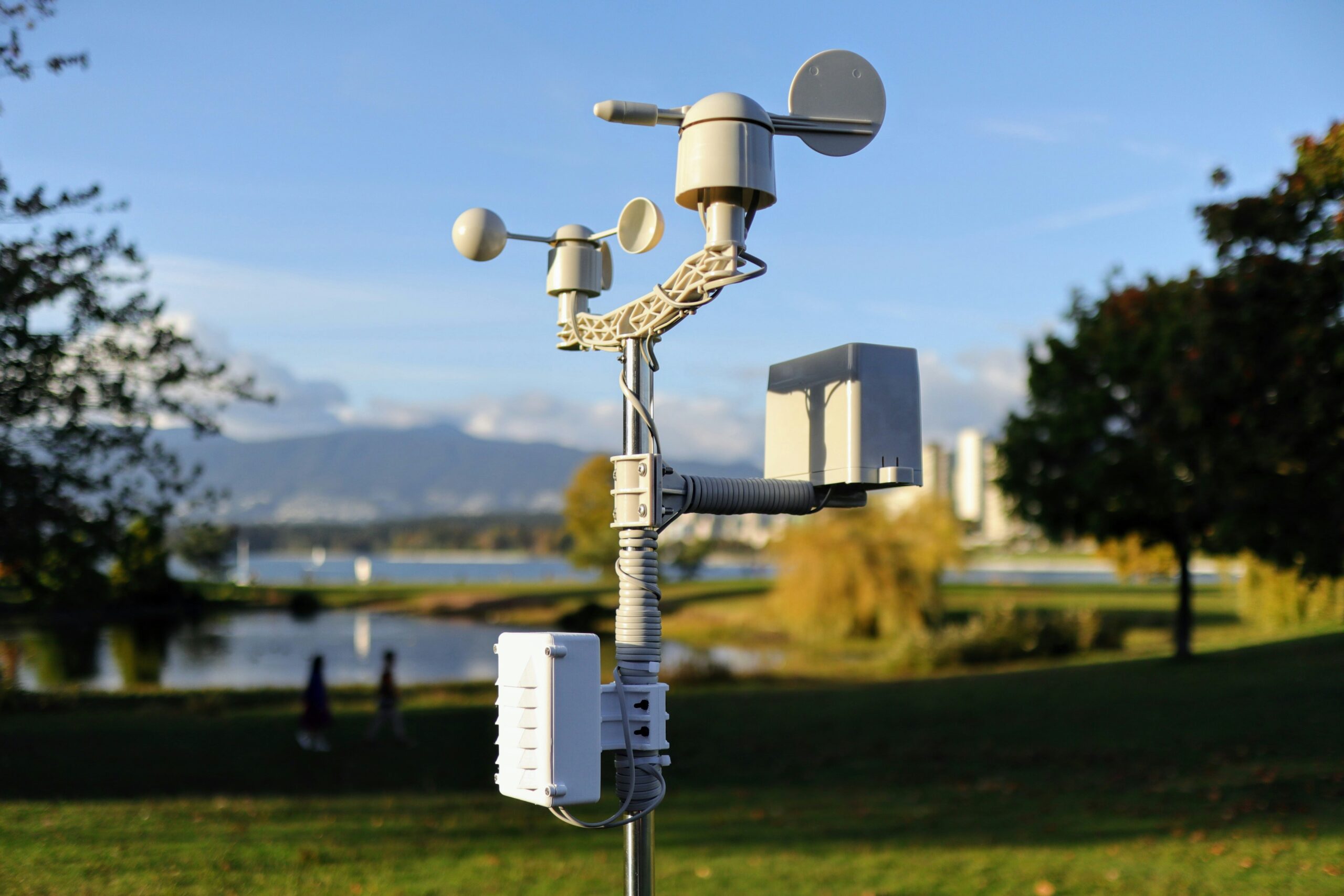
The Internet of Things (IoT) has revolutionized industries by connecting devices into intelligent networks that communicate and operate seamlessly. From wearable health monitors to large-scale industrial systems, IoT integrates sensors, software, and connectivity to automate tasks, enhance user experiences, and boost operational efficiency. At the heart of this ecosystem are IoT sensors—essential components that collect and transmit data, enabling devices to make informed decisions and act intelligently. The following sections explore what IoT sensors are, the various types available, and real-world examples of how they drive today’s connected technologies.
What is Automation & IoT Sensors?
Detect Water Leaks? Monitor Water? Control Temperature & Humidity?
Measure fluid levels? and more. We got you!
How IoT sensors work across industries
Agriculture: Soil moisture sensors allow farmers to monitor crop conditions and make data-driven irrigation decisions. By ensuring optimal water usage, they help maximize yields, conserve resources, and reduce operational costs.
Healthcare: Wearable sensors, such as smartwatches and fitness trackers, continuously monitor vital signs like heart rate, blood pressure, and oxygen levels. This real-time data supports remote patient care, early detection of health issues, and improved treatment outcomes.
Smart Homes: Motion, temperature, and humidity sensors form the backbone of home automation systems. They regulate indoor climates, control lighting, and enhance security—creating safer, more comfortable, and energy-efficient living environments.
Manufacturing: Sensors that track temperature, pressure, proximity, and chemical levels help monitor equipment performance and predict maintenance needs. This proactive approach minimizes downtime, extends machinery lifespan, and improves production efficiency.
Retail: Proximity and infrared sensors enable real-time inventory management, product condition tracking, and customer behavior analysis. The insights they provide help retailers refine supply chains, personalize shopping experiences, and maintain optimal stock levels.
Why IoT sensors are key to future innovation
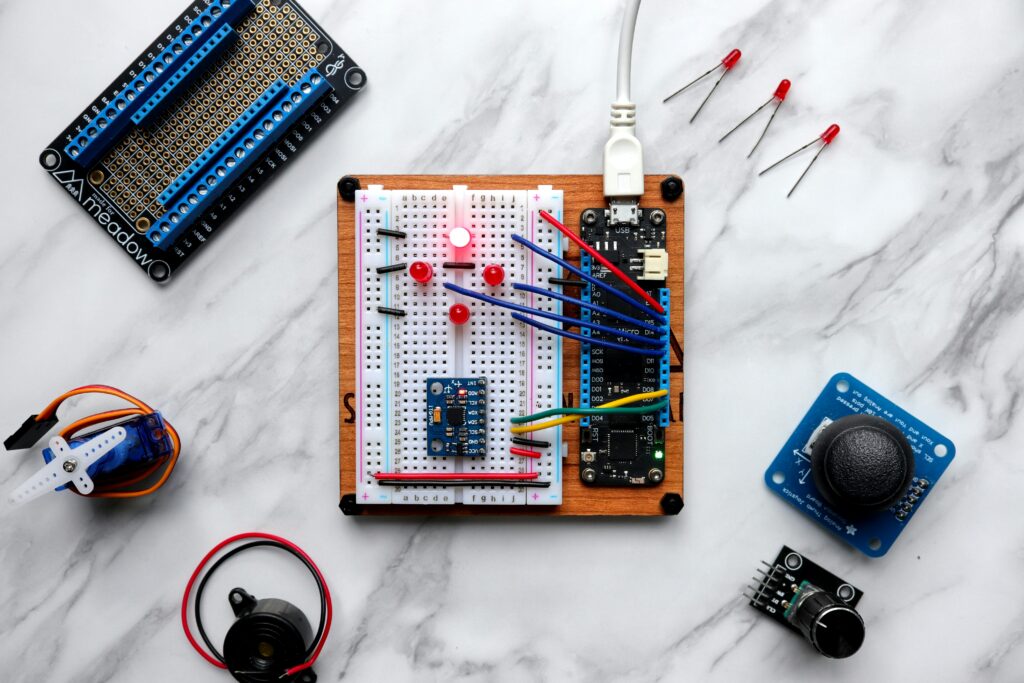
Sensors serve a crucial role in an IoT ecosystem, enabling it to operate by detecting changes in an environment and collecting valuable data. The type of sensor you choose for your device will depend on your device, its purpose, and how your customers are using it.
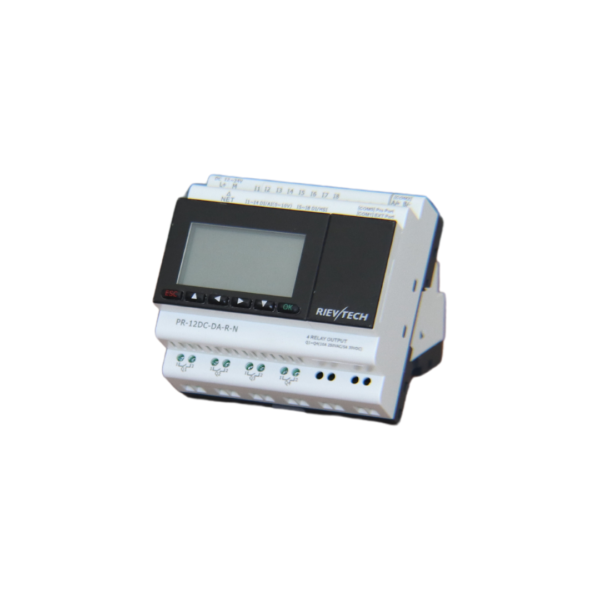
The Rievtech PR12 PLC is a compact and versatile programmable logic controller (PLC) designed for industrial automation applications. With its robust construction and advanced features, it provides reliable control and monitoring of machinery and processes in various industries. The PR12 offers a user-friendly programming interface, allowing for easy customization and implementation of automation tasks. Its compact size makes it suitable for space-constrained environments, while its high-performance capabilities ensure efficient operation and precise control. Overall, the Rievtech PR12 PLC is a dependable solution for optimizing automation systems and enhancing productivity in industrial settings.
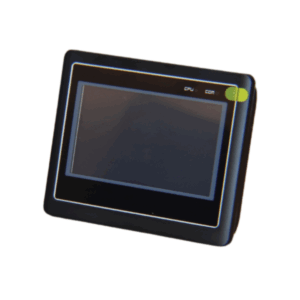
Rievtech HMI (Human-Machine Interface) is a user-friendly touchscreen device designed to facilitate interaction between operators and industrial automation systems. These HMIs provide intuitive graphical interfaces for monitoring, controlling, and configuring machinery and processes in various industries. With features such as customizable screens, data logging, and remote access capabilities, Rievtech HMIs empower operators to efficiently manage production and make informed decisions. Robust construction and compatibility with Rievtech PLCs ensure seamless integration and reliable performance in demanding industrial environments. Overall, Rievtech HMIs enhance productivity and streamline operations by providing intuitive control and monitoring interfaces for automation systems
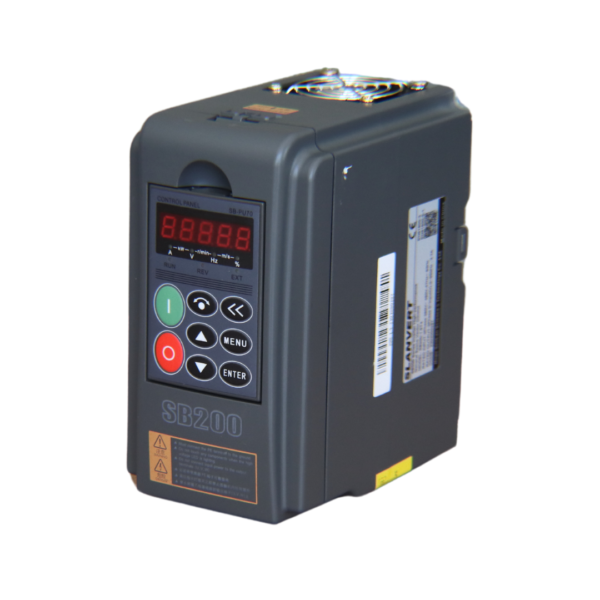
Slanvert VSD SB200 is an advanced variable speed drive (VSD) engineered to regulate electric motor speeds with precision in industrial environments. The SB200 range of VSD’s are primarily used in water and wastewater treatment, industrial pumping, fans and blowers and renewable energy applications, Its robust design and sophisticated control algorithms ensure optimal performance and efficiency, contributing to improved productivity and energy savings.